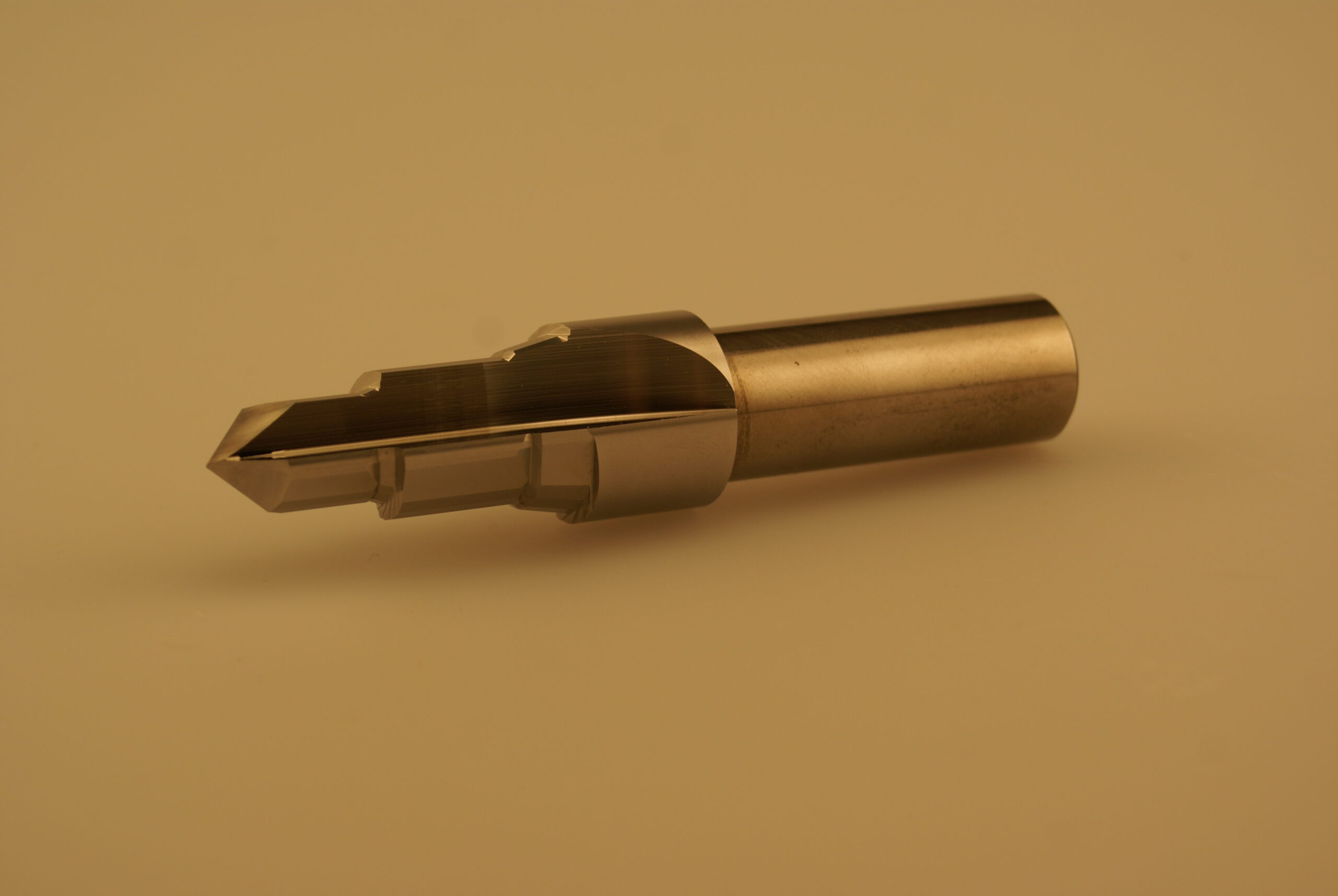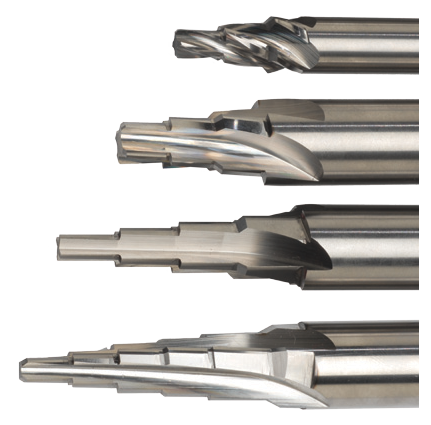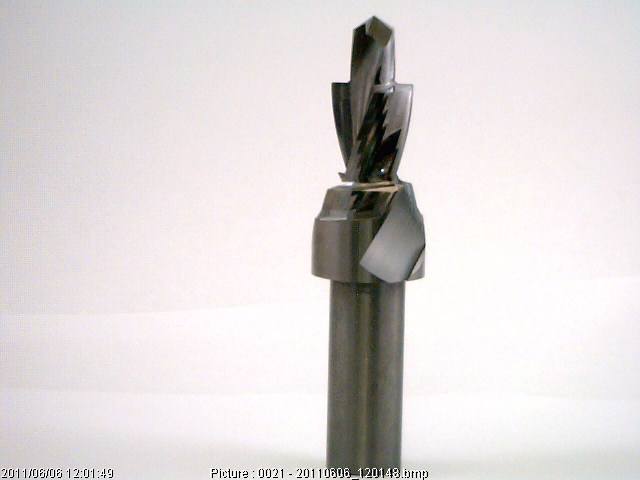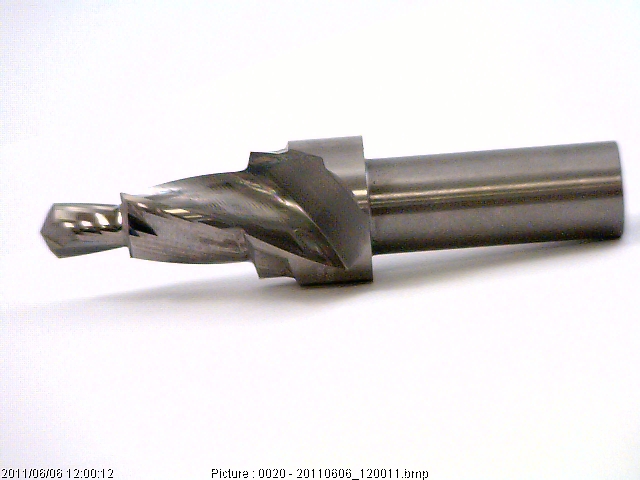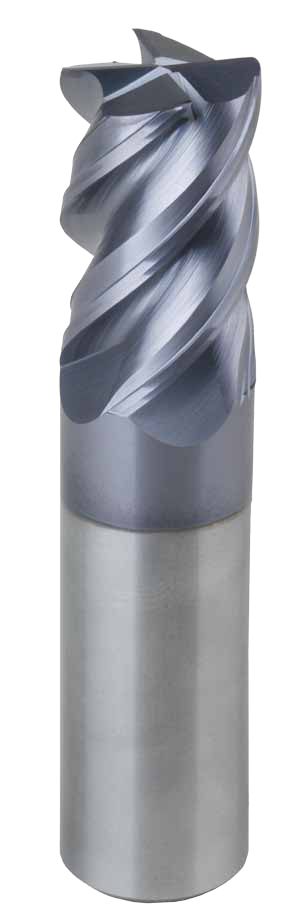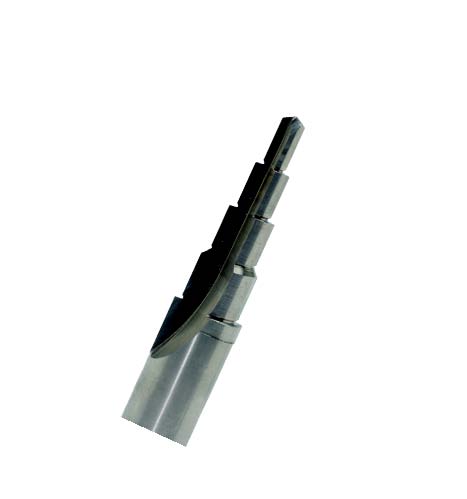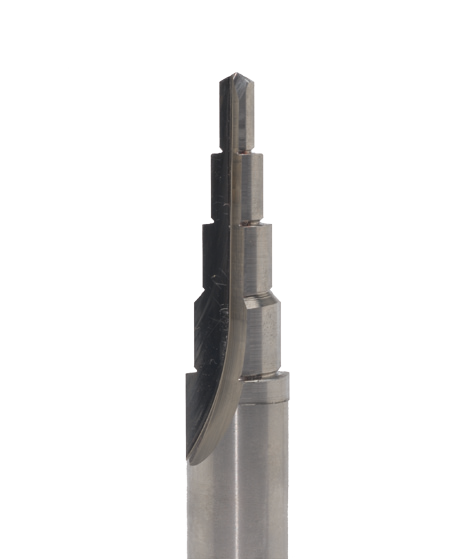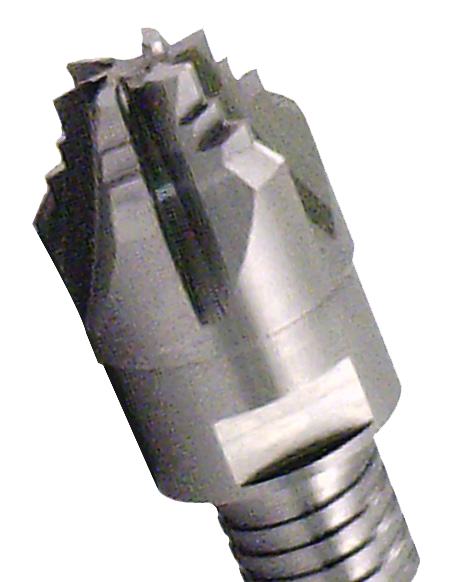
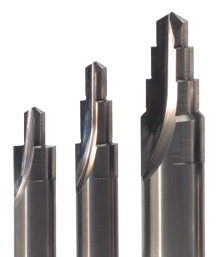

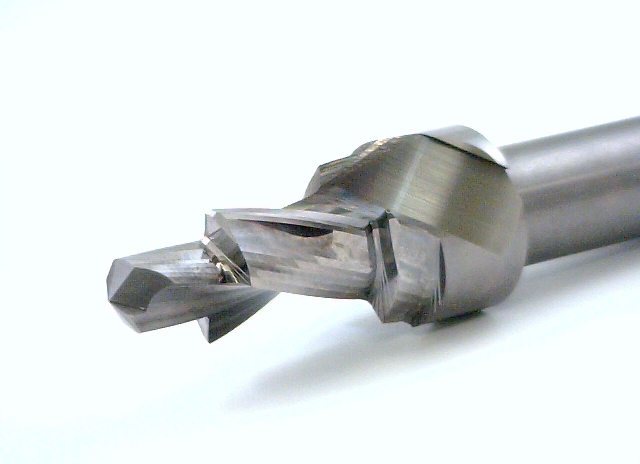
End working tools are used in various manufacturing processes such as metalworking, woodworking, and plastic fabrication. They are also used in construction projects, particularly in the cutting and shaping of building materials. Some of the most common uses of end working tools include drilling, tapping, reaming, turning, milling, and grinding.
End working tools are purchased by manufacturers, contractors, and DIY enthusiasts. Manufacturing industries that require end working tools include automotive, aerospace, and electronics. Contractors use these tools in their construction projects, while DIY enthusiasts use them for home improvement projects and repairs.
End working tools are typically made using high-quality, durable materials such as carbide, high-speed steel, and cobalt. The materials used for end working tools are carefully selected to ensure that they can withstand the high stress and wear that is typical of manufacturing and construction processes.
The manufacturing process for end working tools usually starts with the design and prototyping phase. This is where engineers and designers create a blueprint for the tool that will meet the specific needs of a particular industry or application. The next step is production, where high-precision machines and advanced techniques are used to make the tools. In the last step, called “finishing,” the tools are checked and tested to make sure they meet all the requirements.
In conclusion, end working tools are essential tools used in a wide range of manufacturing and construction processes. They come in various shapes, sizes, and materials and are used to shape, cut, and form materials into a desired shape or size. These tools are purchased by manufacturers, contractors, and DIY enthusiasts and are typically made using high-quality, durable materials such as carbide, high-speed steel, and cobalt.